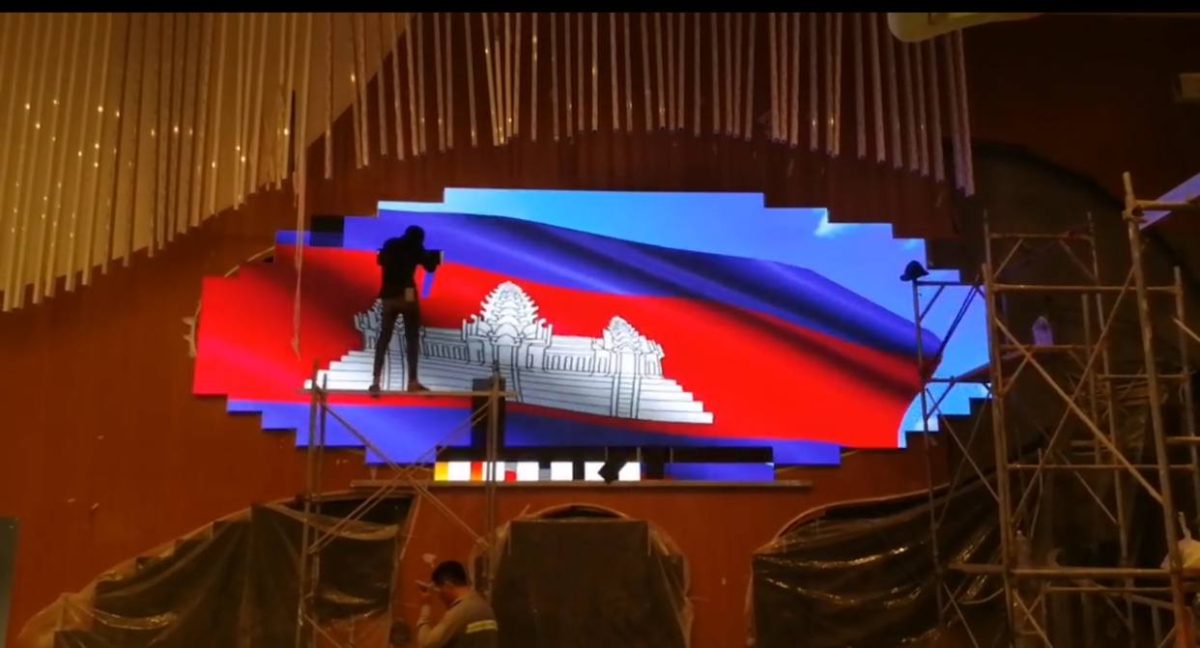
How to Choose the Right Pixel Pitch for Your LED Display?
Introduction
Selecting the correct pixel pitch is one of the most important decisions when investing in an LED display. Pixel pitch directly affects image clarity, viewing distance, screen resolution, and project cost. Choosing a pixel pitch that is too small may increase unnecessary expenses, while choosing one that is too large can reduce image quality for viewers. This guide explains what pixel pitch is, why it matters, and how to choose the right solution for your commercial project.
What is Pixel Pitch?
Pixel pitch refers to the distance between the center of one LED pixel and the next, measured in millimeters (mm).
For example:
- P2.6 = 2.6 mm spacing
- P2.9 = 2.9 mm spacing
- P3.9 = 3.9 mm spacing
A smaller pixel pitch means more LEDs are packed into the display, producing higher image resolution and better viewing quality at close distances.
Why Pixel Pitch Matters
The correct pixel pitch ensures your audience enjoys clear images, readable text, and smooth video playback.
It affects:
- Image resolution
- Viewing distance
- Visual clarity
- Installation cost
- Overall display performance
Recommended Pixel Pitch by Application
P2.6
Best for:
- Executive boardrooms
- Conference rooms
- Television studios
- Command centers
- Luxury retail
Recommended viewing distance: Approximately 2.5–5 meters
👉 Explore our Indoor RW2.6 LED Display Solution
P2.9
Best for:
- Shopping malls
- Retail stores
- Hotels
- Churches
- Showrooms
Corporate lobbies
Recommended viewing distance: Approximately 3–6 meters
👉 Learn more about our Indoor RW2.9 LED Display Solution
P3.9- Best for:
- Outdoor advertising
- Stadiums
- Shopping mall facades
- Building exteriors
- Public information displays
- Recommended viewing distance:
- Approximately 4–8 meters
- 👉 Discover our Outdoor RW3.9 LED Display Solution
Factors to Consider Viewing Distance
The closer your audience is to the display, the smaller the pixel pitch should be.
Installation Environment
Indoor projects usually require finer pixel pitches, while outdoor installations prioritize brightness and durability.
Screen Size
Larger screens viewed from longer distances generally do not require extremely fine pixel pitches.
Content Type
Displays used for presentations, product showcases, and detailed graphics benefit from smaller pixel pitches.
Advertising billboards viewed from a distance can use larger pixel pitches.
Budget
Smaller pixel pitches contain more LEDs and are generally more expensive. Selecting the right balance between performance and cost helps maximize your investment.
Why Choose LED Media?
- Our specialists evaluate your viewing distance, installation environment, budget, and business objectives to recommend the most suitable LED display solution.
- We provide:
- Professional consultation
- Indoor & outdoor LED displays
- Structural engineering
- Installation
- Control system integration
Long-term maintenance
Conclusion
Choosing the right pixel pitch is essential for achieving the best viewing experience and maximizing your investment. Rather than selecting the smallest pixel pitch available, businesses should choose the solution that best matches their application and viewing environment.
Related Articles
- Indoor vs Outdoor LED Displays: What's the Difference?
- How LED Displays Compare to LCD Video Walls
- 10 Things to Consider Before Buying an LED Display